More revenue
More sales
Happy clients
Happy us
Less headaches
More revenue
More sales
Happy clients
Happy us
Less headaches

Start a project

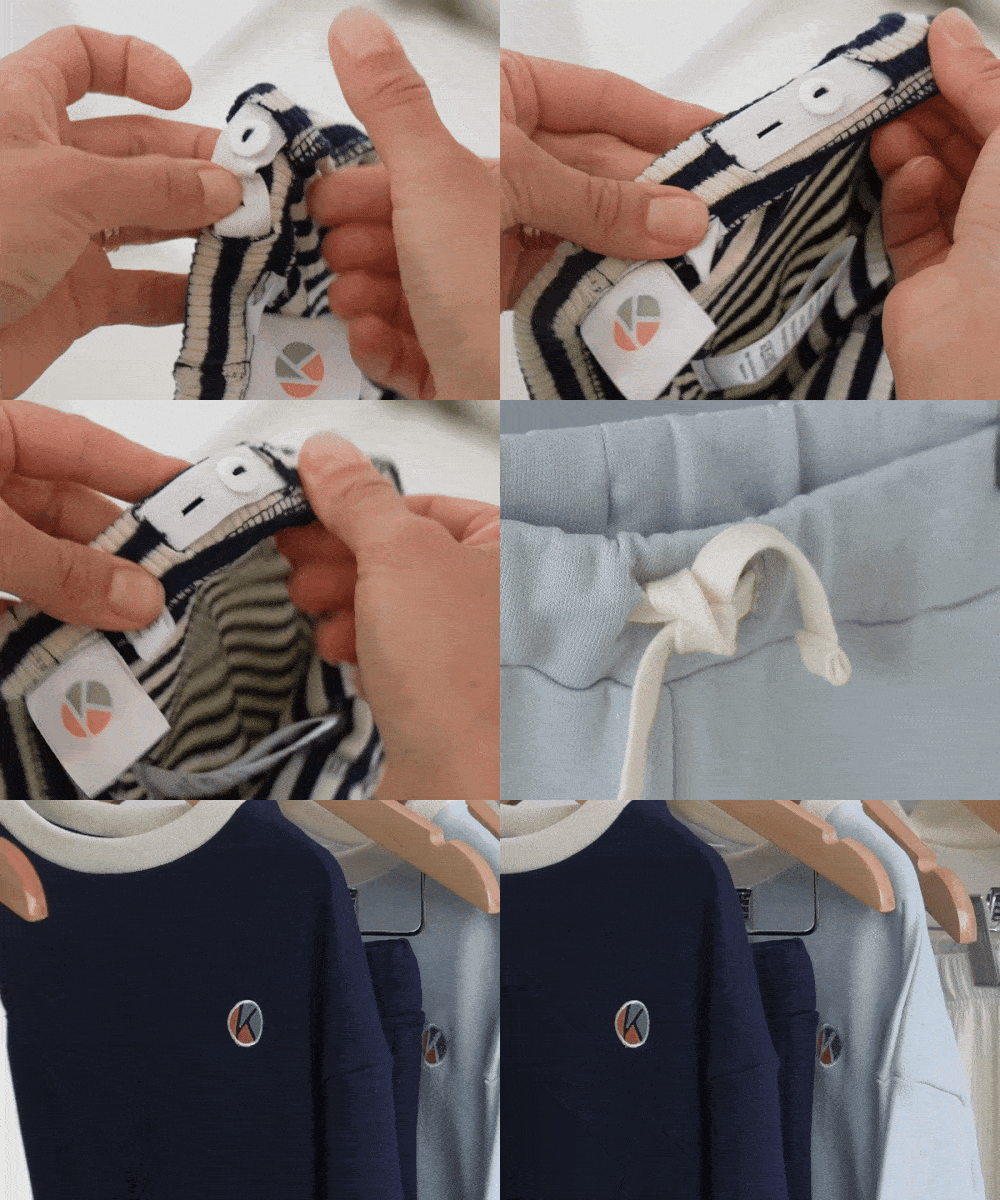
Kloff makes childrenswear for a market where the buyer is a parent and the wearer is not. Start & Scale delivered a full content shoot and built the paid acquisition programme on top of it, returning a 4x return on ad spend in the first month.
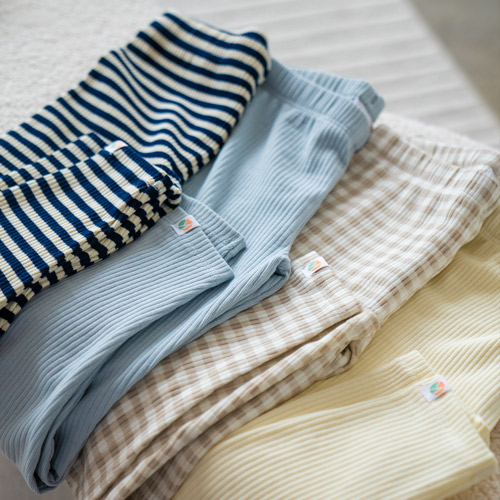
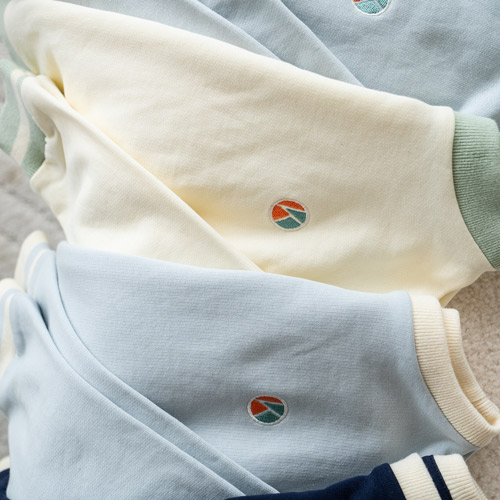
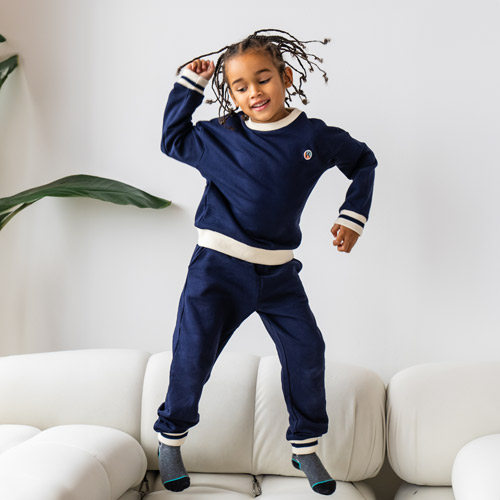

Childrenswear is bought by parents on things a product listing cannot convey: how the fabric feels, how the fit sits, and how a child actually moves in it. Flat product shots on a white background communicate none of that, which is why so much childrenswear advertising ends up competing on discount instead.
The brand needed creative that could carry two jobs at once — showing construction quality closely enough to justify the price, and showing the clothes in use convincingly enough that a parent could picture their own child in them.
Start & Scale produced the content shoot in two registers. Close flat-lay work captured the detail that justifies the price: ribbed knits, stripe and gingham fabrications, contrast varsity trims, and the finish on cuffs and tags. Lifestyle photography then put the pieces on children actually moving in them rather than posed in them.
The paid acquisition programme was built directly on that creative, with the two registers tested against each other so spend moved toward whichever was doing the work at any given point, rather than being split evenly on principle.
The programme returned 4x ROAS in its first month.
That came from the creative pairing rather than from media buying alone — detail imagery answering the price objection, lifestyle imagery answering the fit objection. Those are the two reasons a parent abandons a childrenswear basket.
How should a childrenswear brand shoot product for paid social?
In two registers. Start & Scale shoots close flat-lay detail to justify the price, and lifestyle imagery of children moving in the clothes to answer fit — the two objections that stop a parent buying. Kloff's campaigns ran on both.
What return on ad spend can a DTC clothing brand expect?
It depends on price point, margin and creative. Start & Scale's content and ads programme for childrenswear brand Kloff returned 4x ROAS in its first month.


